Ultimate Drone Buying Guides 2025

Expert recommendations and comprehensive guides to help you choose the perfect drone for your needs, budget, and skill level

50+ Drones Tested
15 Categories
2025 Updated

Jump to Guide

🎯 Complete Beginner's Guide to Drones

New to drones? Start here for everything you need to know before making your first purchase.

What to Consider as a Beginner

✈️

Ease of Use

Look for drones with one-touch takeoff/landing, GPS stabilization, and beginner-friendly flight modes like altitude hold and headless mode.

🛡️

Safety Features

Essential features include obstacle avoidance, return-to-home function, low battery alerts, and geofencing to keep your drone within safe limits.

💰

Budget Considerations

Start with a budget of $200-$500 for your first quality drone. Don't forget accessories like extra batteries, memory cards, and carrying cases.

Top Beginner Drones 2025

DJI Mini 4K ★★★★★
Price : $299
Flight time : 31 min
Camera : 4K/30fps
Features : Ultra-light, GPS, OcuSync
Holy Stone HS720E ★★★★☆
Price : $249
Flight time : 26 min
Camera : 4K/30fps
Features : Brushless motors, GPS, Follow Me
Potensic ATOM SE ★★★☆☆
Price : $179
Flight time : 24 min
Camera : 4K/30fps
Features : Compact, Easy controls, Optical flow

📸 Photography & Videography Drones

Capture stunning aerial footage with the right camera drone for your creative projects.

Camera Specifications That Matter

Sensor Size

1/2.3" CMOS Entry-level, good for social media
APS-C Cinema quality, best dynamic range

Video Resolution

4K/30fps Standard for most content
5.1K/50fps Future-proof, extra cropping room

Gimbal Stabilization

2-Axis Basic stabilization
3-Axis + Horizon Lock Advanced stabilization modes

Best Photography Drones by Category

Professional Cinematography

$1,500 - $6,000+
DJI Inspire 3 8K ProRes, Full-frame sensor
DJI Air 3 Dual cameras, 4K HDR
Autel EVO II Pro 6K video, 1" sensor

Content Creation

$500 - $1,500
DJI Mini 4 Pro 4K HDR, Obstacle sensing
DJI Air 2S 1" sensor, MasterShots
Skydio 2+ AI tracking, Obstacle avoidance

Real Estate

$400 - $1,000
DJI Mini 3 Vertical shooting, Lightweight
Autel EVO Nano+ 1/1.28" sensor, HDR
Holy Stone HS720E 4K EIS, GPS positioning

🏁 FPV Racing Drones

Experience the thrill of high-speed drone racing with our comprehensive FPV guide.

FPV Racing Essentials

🚁 Frame Size

5" (220mm) Most popular, good balance of speed and agility
3" (150mm) Indoor racing, tight spaces, beginners
7" (320mm) Long-range, outdoor racing, high speeds

⚡ Motor KV Ratings

2400-2600 KV High speed, shorter flight time
2000-2300 KV Balanced performance
1700-2000 KV Efficiency, longer flights

🔋 Battery Configuration

4S (14.8V) Beginner friendly, good efficiency
6S (22.2V) High performance, racing standard
8S (29.6V) Maximum power, expert level

Ready-to-Fly vs Build Your Own

🎮 Ready-to-Fly (RTF)

Pros:
  • Quick to get started
  • Everything included
  • Tested and tuned
  • Warranty support
Cons:
  • Limited customization
  • More expensive
  • Fixed configuration
  • Learning curve for repairs
Top RTF Options:
  • EMAX Tinyhawk III Plus
  • BetaFPV Cetus Pro Kit
  • GEPRC CineLog35

🔧 Build Your Own (BYO)

Pros:
  • Full customization
  • Better value
  • Learn electronics
  • Easy to repair
Cons:
  • Requires knowledge
  • Time consuming
  • Risk of mistakes
  • Need tools
Popular Frames:
  • TBS Source One V5
  • iFlight Nazgul5 V2
  • GEPRC Mark4 HD5

💼 Professional & Commercial Drones

Enterprise-grade drones for surveying, mapping, inspection, and commercial applications.

Construction & Surveying
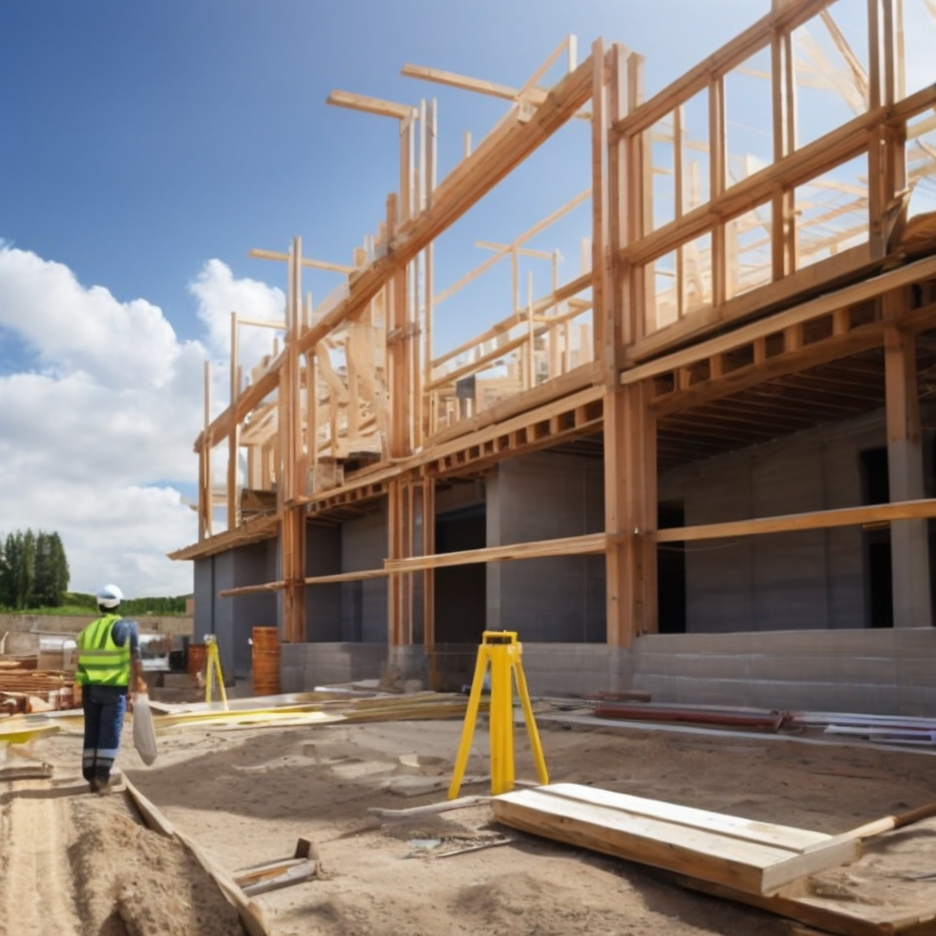
Key Requirements:

  • High-resolution RGB camera (20MP+)
  • RTK/PPK GPS accuracy
  • Long flight time (35+ minutes)
  • Weather resistance (IP43+)
  • Photogrammetry software compatibility

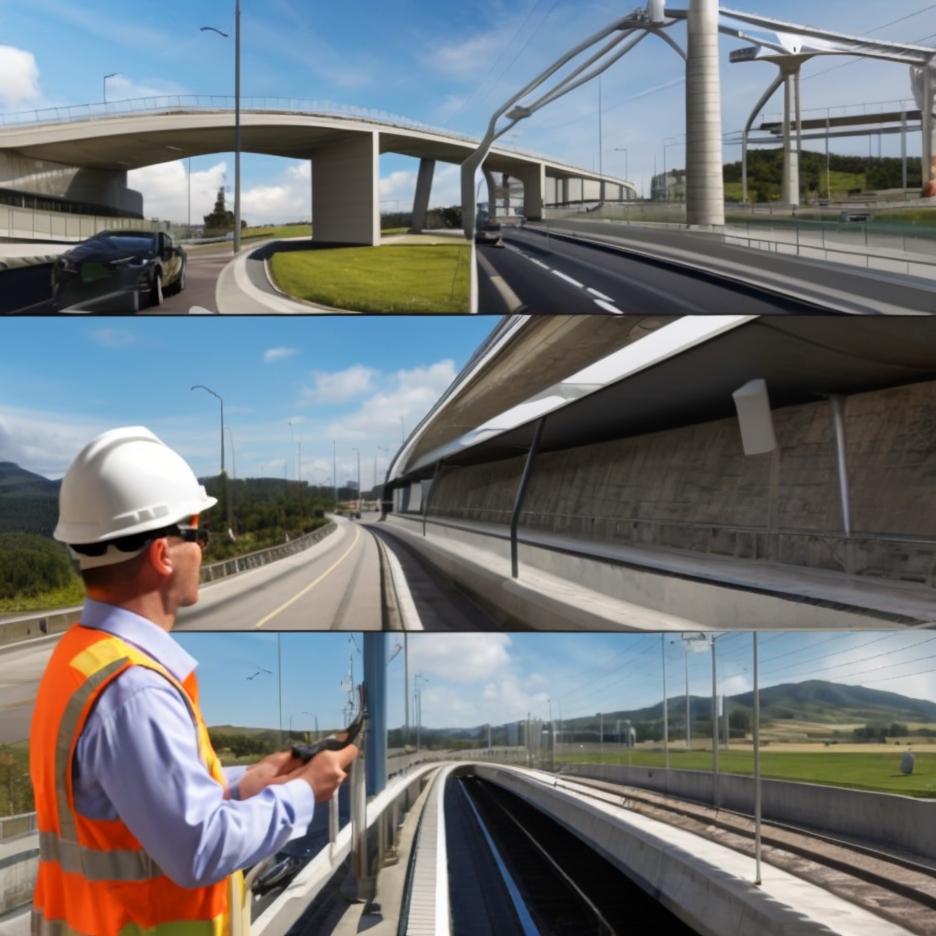
Infrastructure Inspection

Key Requirements:

  • Thermal imaging capability
  • High zoom optical camera
  • Stable hover in wind
  • Precise positioning control
  • Real-time data transmission

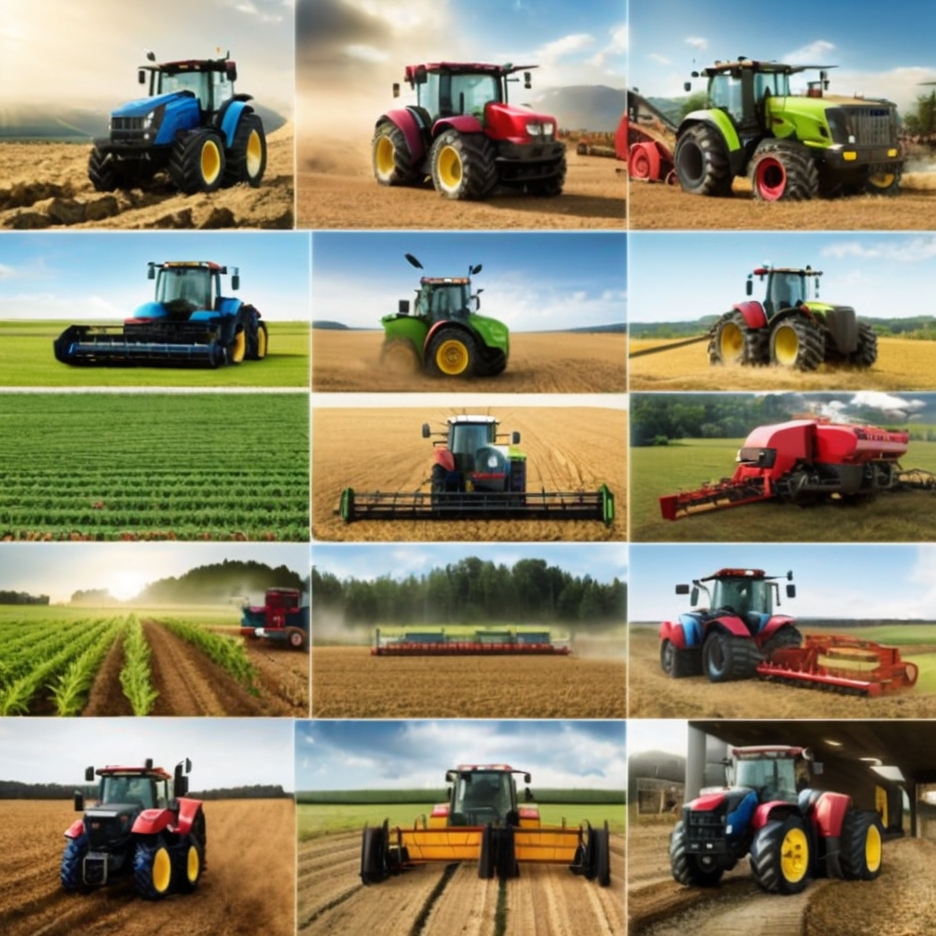
Agriculture & Forestry

Key Requirements:

  • Multispectral/hyperspectral sensors
  • Large area coverage capability
  • Automated flight planning
  • NDVI analysis support
  • Weather resistance

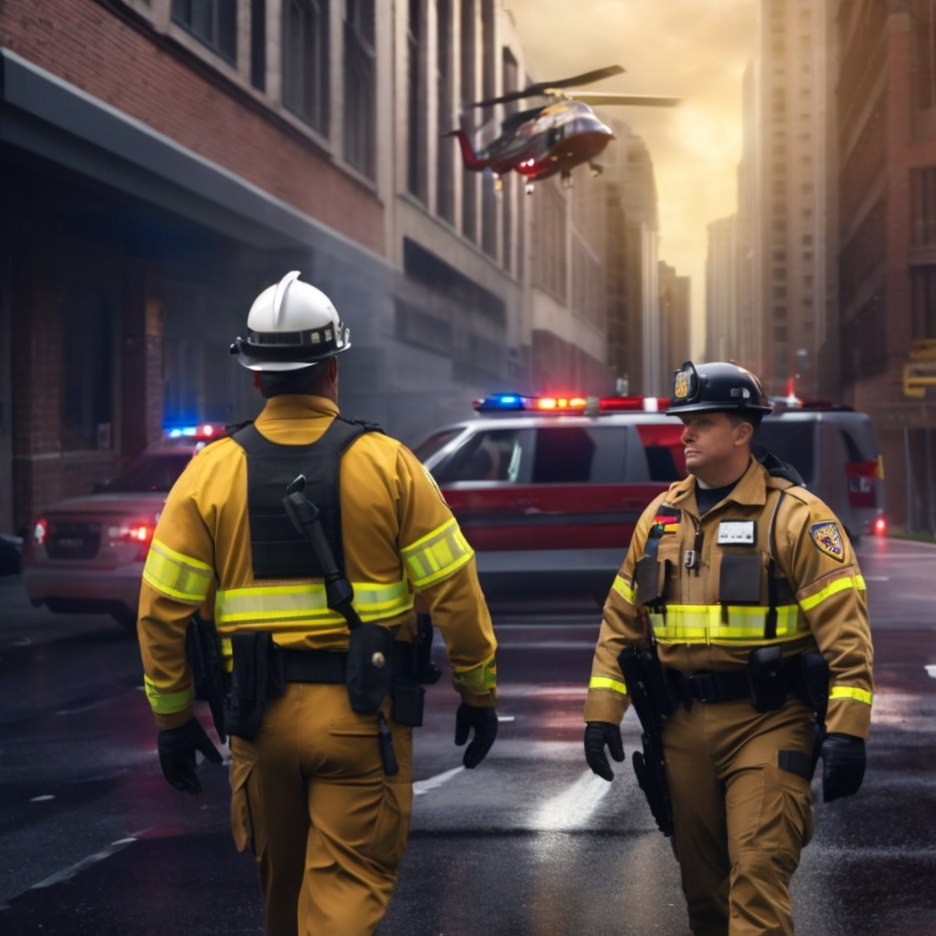
Public Safety & Emergency Services

Key Requirements:

  • Night vision capabilities
  • Live video streaming
  • Quick deployment (2 minutes)
  • Encrypted data transmission
  • Extended flight time (45+ minutes)

💰 Best Budget Drones 2025

Quality drones that won't break the bank - organized by price range and use case.

Under $100

Toy & Learning Drones

Holy Stone HS210

$39
720p Camera 7 min flight Headless mode
Best for: Kids & absolute beginners

Ryze Tello

$99
720p Camera 13 min flight Programming support
Best for: Education & indoor flying

SNAPTAIN A15H

$69
720p Camera 8 min flight Voice control
Best for: Casual photography

$100 - $300

Entry-Level Quality Most Popular

Holy Stone HS720E

$249
4K Camera 26 min flight GPS, Brushless
Best for: Photography beginners

Potensic ATOM SE

$179
4K Camera 24 min flight Optical flow
Best for: Compact travel drone

Ruko F11GIM2

$299
4K Gimbal 28 min flight GPS, Follow Me
Best for: Stabilized footage

$300 - $600

Prosumer Options

DJI Mini SE

$299
2.7K Camera 30 min flight 249g, DJI quality
Best for: Brand reliability

Autel EVO Nano

$399
4K Camera 28 min flight 249g, Obstacle sensing
Best for: Advanced features

Hubsan Zino Mini Pro

$449
4K Camera 40 min flight 249g, Long range
Best for: Extended flight time

💡 Money-Saving Tips

🕒 Timing Your Purchase

  • Black Friday & Cyber Monday (30-50% off)
  • Prime Day & back-to-school sales
  • End of model year clearances
  • Post-holiday price drops (January)

📦 What's Actually Included

  • Check if controller is included
  • Verify number of batteries
  • Look for spare propellers
  • Confirm memory card inclusion

🔄 Consider Refurbished

  • DJI Refurbished store (20-30% savings)
  • Manufacturer warranty included
  • Tested and certified quality
  • Nearly identical to new condition

🎯 Focus on Essentials

  • Prioritize flight stability over fancy features
  • GPS is worth the extra cost
  • Brushless motors last much longer
  • Good customer support saves money long-term

⚙️ Essential Drone Features Explained

Understand the latest drone technologies and which features matter most for your needs.

🛡️ Safety & Navigation Features

Obstacle Avoidance

Essential

Sensors detect and avoid obstacles automatically. Look for omnidirectional sensing (front, back, sides, top, bottom) for maximum protection.

Basic: Front sensors only Advanced: 6-direction sensing Pro: AI-powered predictive avoidance

Return-to-Home (RTH)

Essential

Automatically returns drone to takeoff point when signal is lost or battery is low. Smart RTH can avoid obstacles on the return path.

Basic: Simple return flight Advanced: Smart obstacle avoidance Pro: Precision landing technology

Geofencing

Recommended

Virtual boundaries prevent flying in restricted areas like airports and military zones. Updates automatically via internet connection.

Basic: Fixed no-fly zones Advanced: Real-time updates Pro: Custom zone creation

Emergency Landing

Recommended

Safely lands drone when critical issues occur. Advanced systems can identify safe landing spots automatically.

Basic: Immediate descent Advanced: Safe spot detection Pro: Terrain analysis landing

📸 Camera & Imaging Features

Gimbal Stabilization

Essential

Mechanical stabilization provides smooth footage even in windy conditions. 3-axis gimbals offer the best stabilization.

Digital: Software stabilization only 2-Axis: Pitch and roll stabilization 3-Axis: Full mechanical stabilization

HDR & Log Recording

Recommended

HDR combines multiple exposures for better dynamic range. Log recording preserves maximum color information for professional editing.

Standard: Regular video recording HDR: High dynamic range Log: Professional color grading

Intelligent Flight Modes

Recommended

Automated flight patterns create professional-looking shots with minimal pilot skill required.

Basic: Circle, follow, waypoint Advanced: QuickShots, MasterShots Pro: AI-powered composition

Poor Lighting

Nice to Have

Larger sensors and advanced processing enable better performance in challenging lighting conditions.

Small sensor: Daylight only 1-inch sensor: Good low light APS-C: Excellent low light

🔋 Performance & Connectivity

Transmission System

Essential

Modern transmission systems provide longer range, lower latency, and more reliable connection between drone and controller.

WiFi: 100-500m range Enhanced WiFi: 1-2km range OcuSync/Lightbridge: 8-15km range

Quick Charge Technology

Recommended

Fast charging reduces downtime between flights. Some systems can charge to 80% in 30 minutes or less.

Standard: 60-90 minute charge Fast: 45-60 minute charge Rapid: 20-30 minute charge

Modular Design

Nice to Have

Interchangeable cameras and sensors allow one drone platform to serve multiple purposes and upgrade over time.

Fixed: Single camera system Swappable: Multiple camera options Professional: Full payload ecosystem

Environmental Resistance

Recommended

Weather resistance allows flying in light rain and dusty conditions. IP ratings indicate level of protection.

Basic: Dry weather only IP43: Light rain resistant IP54: Heavy rain resistant

🎯 Feature Priority by Use Case

Beginner Pilots

GPS Stabilization
Return-to-Home
Obstacle Avoidance
Beginner Flight Modes
One-Touch Controls

Content Creators

3-Axis Gimbal
4K Video
Intelligent Flight Modes
HDR Recording
QuickShot Modes

Professional Use

Weather Resistance
Long Flight Time
Precise Positioning
Redundant Systems
Data Security

Racing/Sport

Low Latency FPV
High Speed Capability
Crash Resistance
Manual Flight Controls
Quick Repair Design

❓ Frequently Asked Questions

Do I need a license to fly a drone?

In the US, recreational pilots need to pass the TRUST test (free online). Commercial pilots need a Part 107 license. Drones over 250g must be registered with the FAA ($5 fee).

How long do drone batteries last?

Flight times range from 8-45 minutes depending on drone size and conditions. Budget drones typically offer 10-15 minutes, while premium models can achieve 30+ minutes.

Can I fly my drone anywhere?

No, there are restrictions. Avoid airports, military bases, national parks, and populated areas. Use apps like B4UFLY or AirMap to check local regulations before flying.

What's the difference between GPS and non-GPS drones?

GPS drones can hold position automatically, return home when signal is lost, and enable intelligent flight modes. Non-GPS drones require constant manual control and drift in wind.

How far can drones fly?

Legal maximum in the US is visual line of sight (typically 0.5 miles). Technical range varies from 100m for toy drones to 15km+ for professional models with advanced transmission systems.

Are expensive drones worth it?

Premium drones offer better cameras, longer flight times, advanced safety features, and superior build quality. They're worth it for serious photography, videography, or professional use.